
4 Relocating an office is a significant milestone for any business. Whether you’re expanding into a larger workspace, downsizing, opening a new branch, or moving closer to clients, a successful office relocation requires careful planning and coordination.
Unlike residential moves, office relocations involve much more than transporting desks and chairs. Businesses must minimise downtime, protect sensitive equipment, coordinate employees, manage IT infrastructure, and ensure operations continue with as little disruption as possible.

Without a structured plan, an office move can lead to unexpected delays, productivity losses, and additional costs.
This comprehensive Office Relocation Planning Guide explains how to prepare, budget, organise, and execute a successful office move while keeping your business running smoothly.

Why Office Relocation Planning Matters
An office move affects every part of a business.
Proper planning helps you:
- Reduce operational downtime
- Protect office equipment
- Keep employees informed
- Maintain business continuity
- Avoid unexpected moving expenses
- Improve workspace organisation
- Ensure a smoother transition
Businesses that begin planning early often experience fewer disruptions and a more efficient relocation process.

Common Reasons Businesses Relocate Offices
Companies relocate for many reasons, including:
- Business growth
- Expanding teams
- Reducing operating costs
- Access to better facilities
- Improved transport connections
- Modern office environments
- Lease expiry
- Better client accessibility
Regardless of the reason, careful planning remains the key to a successful move.

Office Moving Planning: Timeline, Budget & Execution Tips
A structured timeline keeps every department aligned and ensures tasks are completed before moving day.
8–12 Weeks Before the Move
Start with strategic planning.
Tasks include:
- Confirm the moving date
- Assign an office relocation coordinator
- Create a relocation budget
- Measure the new office space
- Review floor plans
- Book professional office removalists
- Notify building management
- Schedule internal planning meetings
This stage establishes the foundation for a successful relocation.

6–8 Weeks Before the Move
Begin organising logistics.
Complete the following:
- Create a department-by-department moving plan
- Audit office furniture and equipment
- Decide what to relocate, recycle, donate, or replace
- Arrange storage if required
- Contact internet and telecommunications providers
- Update business suppliers
Early preparation helps prevent last-minute complications.

4 Weeks Before the Move
Focus on operational readiness.
Tasks include:
- Label furniture and equipment
- Back up business data
- Confirm IT relocation requirements
- Begin packing archived documents
- Inform customers and service providers about the relocation
- Order additional packing supplies if necessary
Communication becomes increasingly important during this phase.
2 Weeks Before Moving Day
Prepare for execution.
Complete:
- Confirm removalist booking
- Finalise employee responsibilities
- Test IT relocation plans
- Pack non-essential office items
- Prepare an inventory list
- Confirm access times for both locations
Having a detailed checklist helps every department stay organised.
Moving Week
During the final week:
- Pack remaining equipment
- Disconnect non-essential devices
- Confirm parking and loading access
- Prepare employee moving instructions
- Secure confidential documents
- Conduct a final office inspection
Every task completed before moving day helps reduce business disruption.

The Ultimate Office Move Checklist
A successful office relocation depends on careful organisation.
Planning
1 ✔ Confirm moving date
2 ✔ Assign relocation coordinator
3 ✔ Create project timeline
4 ✔ Develop relocation budget
5 ✔ Book professional movers
Communication
1 ✔ Inform employees
2 ✔ Notify clients
3 ✔ Update suppliers
4 ✔ Advise service providers
5 ✔ Notify landlords or building managers
IT & Technology
1 ✔ Back up all systems
2 ✔ Label cables and equipment
3 ✔ Coordinate internet installation
4 ✔ Test phone systems
5 ✔ Schedule server relocation

Office Equipment
1 ✔ Inventory furniture
2 ✔ Label desks
3 ✔ Protect electronics
4 ✔ Organise filing systems
5 ✔ Dispose of unwanted items
Administration
1 ✔ Update business address
2 ✔ Change website contact details
3 ✔ Update Google Business Profile
4 ✔ Update business stationery
5 ✔ Notify financial institutions

Moving Day
1 Supervise loading
2 Verify inventory
3 Direct furniture placement
4 Test internet connection
5 Check office security
Creating an Office Relocation Budget
Budget planning helps avoid unnecessary costs.
Common expenses include:
- Removalist services
- Packing materials
- IT relocation
- Office furniture installation
- Temporary storage
- Cleaning services
- Utility setup
- New office signage
Allowing a contingency budget for unexpected expenses is a practical approach.

How to Reduce Downtime During an Office Move
Business continuity should remain a priority.
Strategies include:
- Moving outside business hours
- Relocating departments in stages
- Backing up all digital systems
- Preparing employees in advance
- Testing internet before reopening
- Scheduling IT installation early
Reducing downtime helps minimise lost productivity.
Office Furniture Planning
Before moving furniture, review what should be:
- Relocated
- Repaired
- Recycled
- Replaced
- Donated
Moving provides an opportunity to optimise the workplace and eliminate unnecessary equipment.
Protecting IT Equipment During Relocation
Technology is often the most valuable part of a modern office.
Protect:
- Computers
- Monitors
- Servers
- Printers
- Networking equipment
- Telephones
Label every cable and device to simplify installation at the new office.

Employee Communication During an Office Move
Keeping employees informed improves the relocation process.
Share:
- Moving timelines
- Packing instructions
- Seating plans
- New office access details
- Parking information
- Updated workplace policies
Clear communication reduces uncertainty and encourages smoother collaboration.
A Step-by-Step Guide to Office Relocation Sydney
Businesses relocating within Sydney should also consider local logistics.

Assess Building Access
Confirm:
- Lift availability
- Loading dock access
- Parking permits
- Building management requirements
Plan Around Sydney Traffic
Schedule the move to avoid peak traffic where possible, particularly if relocating between busy commercial districts.
Coordinate Service Connections
Arrange internet, electricity, security systems, and telecommunications before staff arrive.

Test Everything Before Reopening
Verify:
- Internet connectivity
- Phone systems
- Security access
- Office equipment
- Meeting room technology
Completing these checks before reopening helps ensure business continuity.

Sustainable Office Relocation Tips
An office move is an excellent opportunity to reduce waste.
Consider:
- Recycling unwanted furniture
- Donating usable equipment
- Digitising paper records
- Using recyclable packing materials
- Reducing unnecessary purchases
Sustainable moving practices can also lower relocation costs.

Why Professional Office Removalists Make a Difference
Commercial relocations require specialised planning and experience.
Professional office movers help with:
- Furniture disassembly and reassembly
- Secure transport
- Packing sensitive equipment
- Coordinating large office moves
- Managing relocation schedules
Working with experienced removalists allows your team to remain focused on business operations.
Why Businesses Choose Mates Group Removals
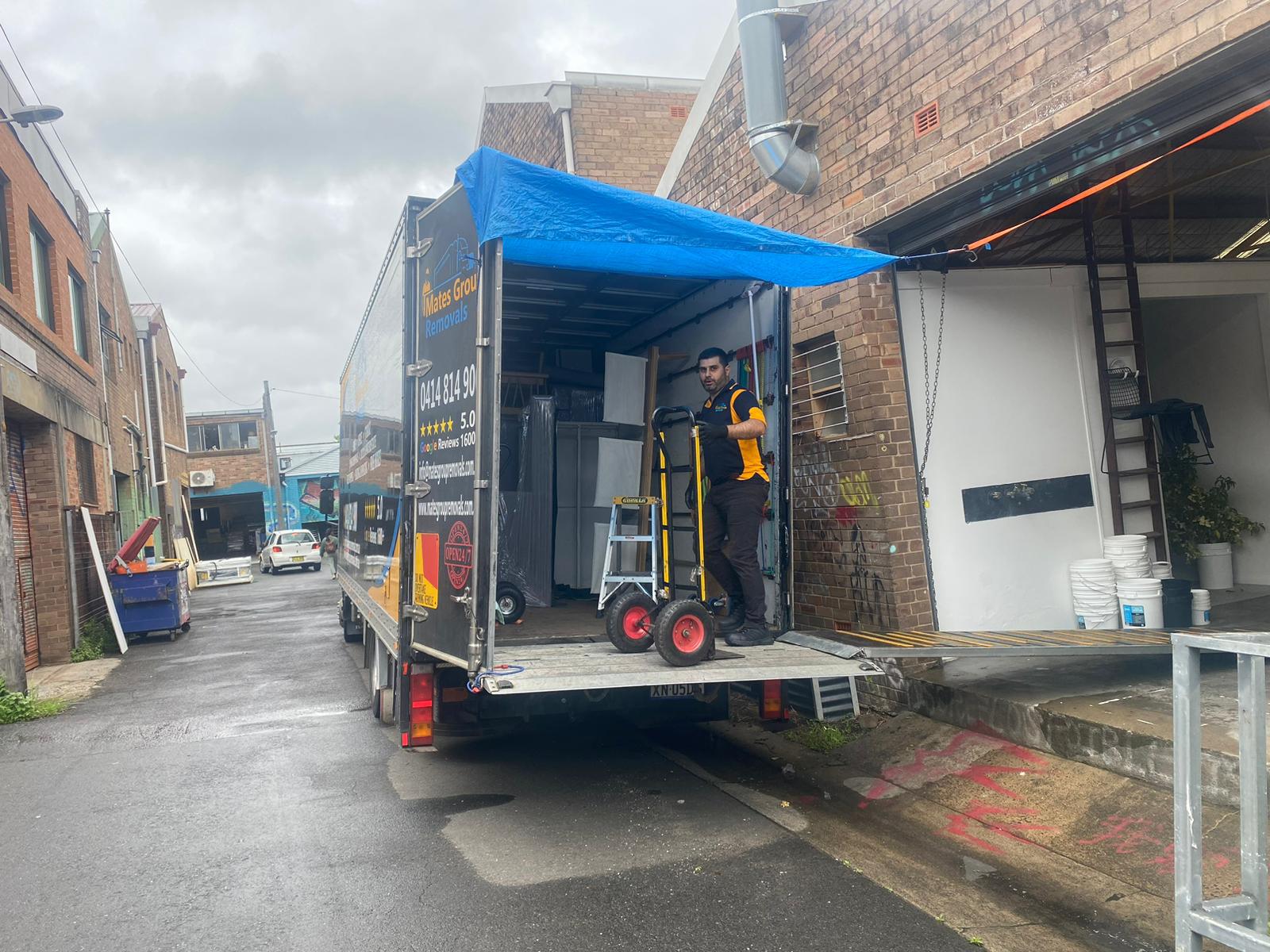
Mates Group Removals supports businesses relocating throughout Sydney and across Australia with organised commercial moving solutions.
Office relocation services are designed to help businesses minimise disruption through careful planning, experienced furniture handling, secure transportation, and coordinated scheduling.
Whether relocating a small office or a larger corporate workspace, structured planning helps businesses return to normal operations more efficiently.
Common Office Relocation Mistakes to Avoid
Avoid these common mistakes:
- Starting planning too late
- Underestimating the relocation budget
- Forgetting IT requirements
- Poor communication with staff
- Not labelling equipment
- Ignoring building access restrictions
- Overlooking internet installation
- Failing to back up business data
Planning ahead significantly reduces relocation risks
Final Thoughts
A successful office relocation is built on preparation, communication, and careful execution. Following a structured Office Relocation Planning Guide, creating a realistic budget, and using Office Moving Planning: Timeline, Budget & Execution Tips can help businesses reduce downtime and maintain productivity throughout the transition.
Whether you’re following The Ultimate Office Move Checklist or using A Step-by-Step Guide to Office Relocation Sydney, investing time in planning today will help create a smoother, more organised workplace move tomorrow. With experienced commercial movers such as Mates Group Removals, businesses can relocate with confidence while keeping operations running as efficiently as possible.

Frequently Asked Questions
How far in advance should I plan an office relocation?
Most businesses should begin planning at least 8 to 12 weeks before the intended moving date, particularly for larger offices.
What should be included in an office relocation budget?
A relocation budget should include removal services, packing materials, IT relocation, storage (if required), utility setup, furniture installation, cleaning, and contingency costs.
How can I minimise business downtime during an office move?
Planning the move outside business hours, coordinating IT installation early, backing up systems, and using professional office removalists can significantly reduce downtime.
What is the ultimate office move checklist?
An effective checklist includes planning, budgeting, employee communication, IT preparation, furniture inventory, address updates, moving-day coordination, and post-move testing.
How do I prepare employees for an office relocation?
Provide clear timelines, packing instructions, seating plans, access information, and regular updates throughout the relocation process.
Should I hire professional office removalists?
Professional commercial movers have the expertise, equipment, and experience to manage office furniture, technology, confidential documents, and business logistics safely and efficiently.
What should I do after moving into the new office?
Test all technology, verify internet and phone systems, inspect furniture, organise workstations, update business information, and ensure employees have everything they need before resuming normal operations.